Type to search. Use arrow keys to navigate results. Press enter to view all results.
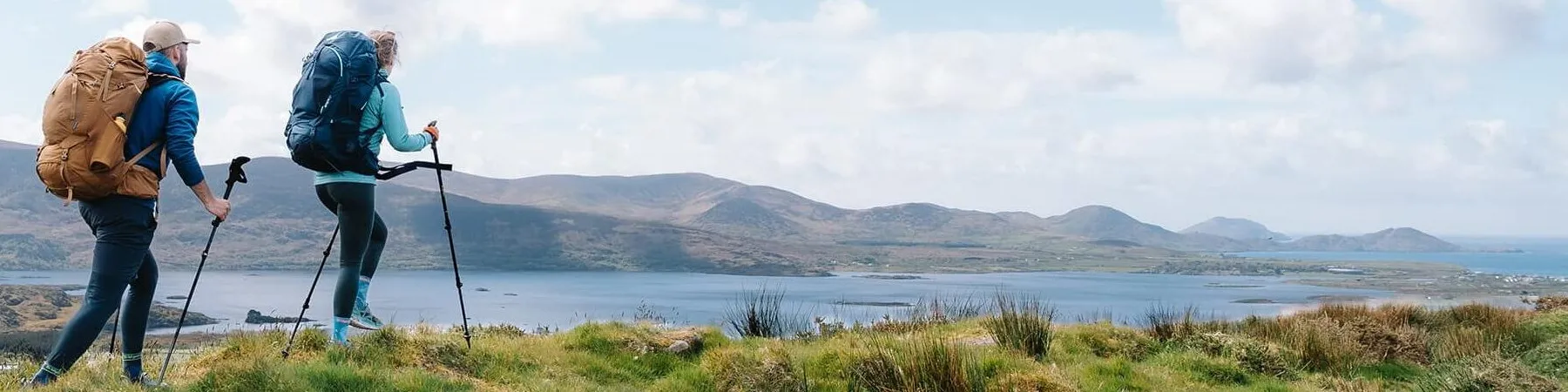
Hiking footwear is built for traction, stability, and protection on uneven terrain, helping you stay sure-footed whether you're on a casual day trail or a multi-day backcountry trek.
Choosing the right hiking shoe primarily comes down to how rugged your terrain is, how much weight you'll carry, and how much ankle support you want. Start with these two choices and you're most of the way there.
Waterproof footwear (often with a Gore-Tex membrane) keeps feet dry in mud and snow, while non-waterproof options dry faster and run cooler in dry heat. Either way, a waterproofing treatment extends its life when weather resistance fades.
Four types of trail footwear, and the kind of hiker each one is built for.
Concord sits right on I-93, the road to the White Mountains, which makes us an easy stop on your way north. New Hampshire trails are hard on feet, and what works changes with the season.
Snowmelt turns trails to mud and runoff. Waterproof boots and shoes keep your feet dry through wet trail and stream crossings.
Rocky, rooty White Mountain trails reward a grippy outsole and a sturdy sole. Mid-cut boots add ankle support on steep descents and with heavier packs.
Cold, icy trails call for warm, waterproof boots and real traction underfoot. Fit them with the thick socks you'll actually hike in.
Boots, hiking shoes and trail runners from these brands. Shop online, or stop in and we'll fit you in the store.